University of Zurich Joins Global Research Network to Advance Personalized Genomic Medicine
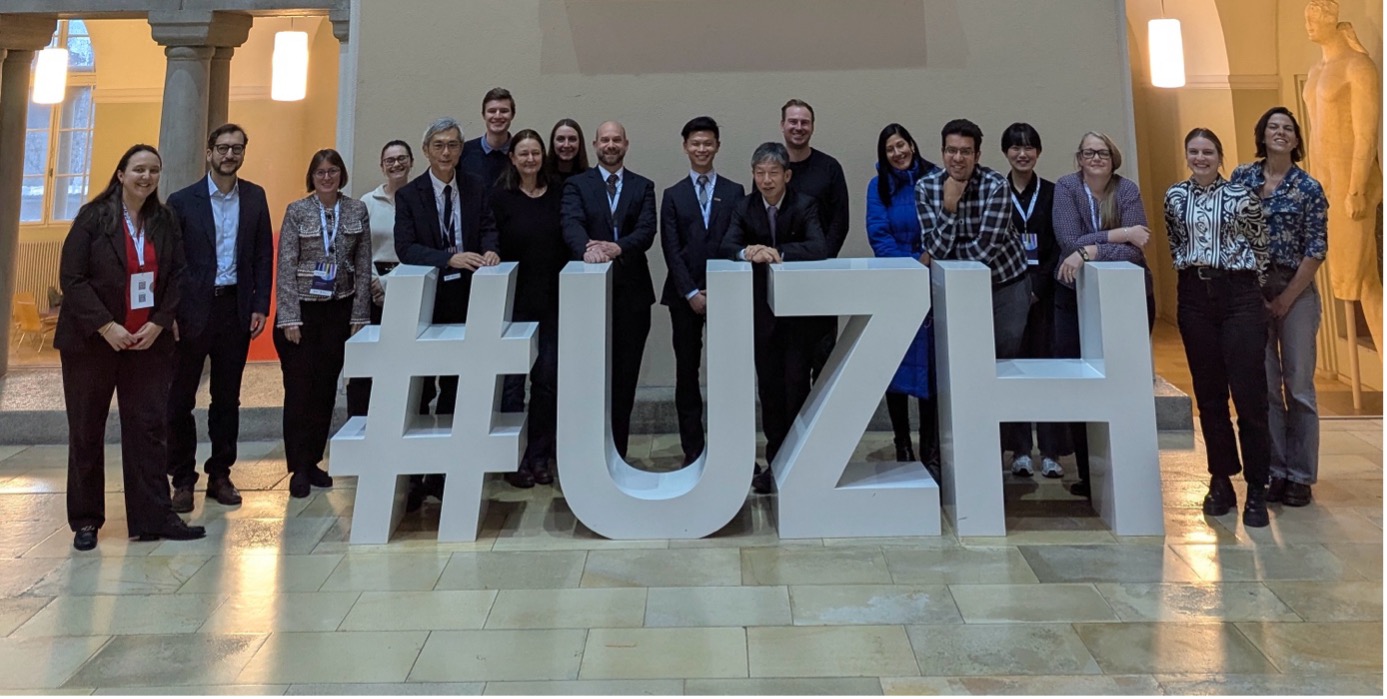
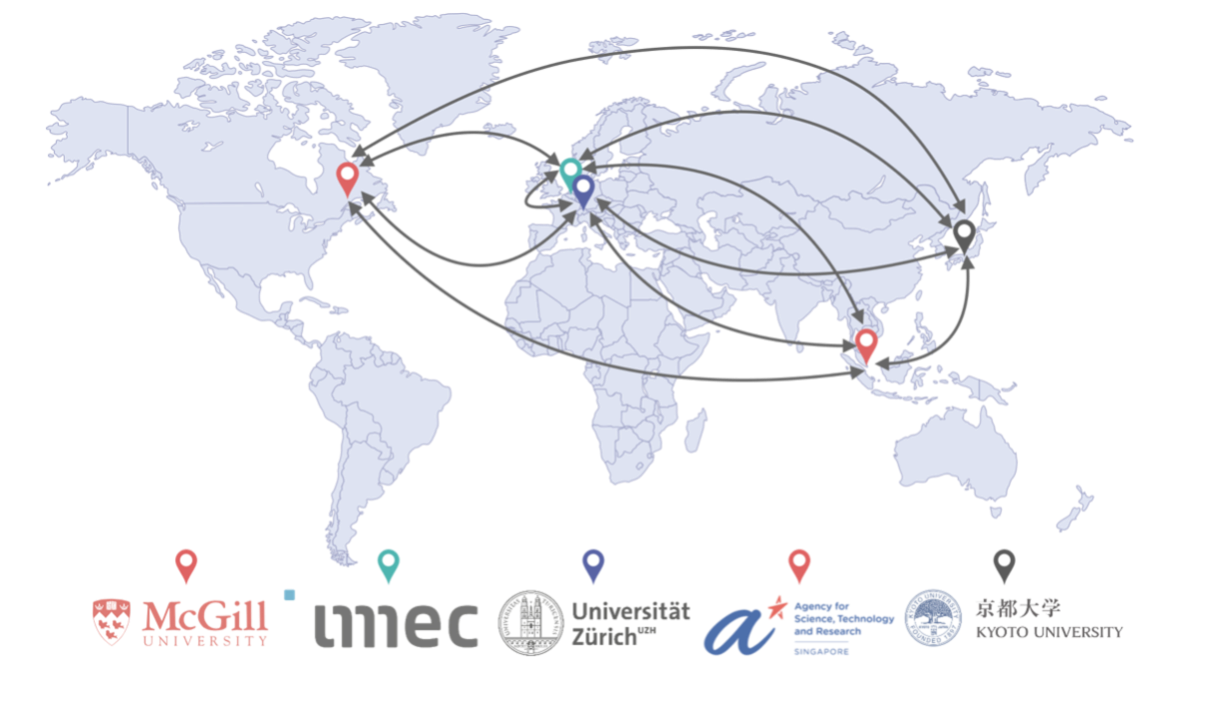
The University of Zurich (UZH) has joined the International and Interdisciplinary Program for Advanced Regenerative Applications and Design of Individualized Genomic Medicine (i2PARADIGM), a new global research network led by the Center for iPS Cell Research and Application at Kyoto University. Supported through the prestigious Japanese Society for the Promotion of Science Core-to-Core Program, alongside matching support and resources contributed by core partner instiutions, the five-year initiative will bring together leading research institutions from Japan, Switzerland, Canada, Belgium, and Singapore to accelerate the development of personalized genomic medicine and train the next generation of scientific leaders.
A partnership built on years of collaboration
The invitation for UZH to participate as a core institution builds on a longstanding collaboration between CiRA and the Institute for Regenerative Medicine (IREM). Over the past years, researchers from both institutions have worked closely together in the fields of induced pluripotent stem cell (iPSC) technology and regenerative medicine. This partnership has included multiple research exchanges and contributed to the establishment of IREM’s iPSCore, a leading Swiss facility supporting the generation, differentiation, and clinical translation of human iPSCs.
The collaboration extends beyond research. Through IREM’s BioEntrepreneurship & Innovation (BEI) programs, researchers and clinician-scientists receive training in innovation, entrepreneurship, leadership, and technology translation. The programs help prepare the next generation of biomedical innovators to transform discoveries into real-world healthcare solutions. Together with the iPSCore and IREM’s translational research infrastructure, these activities have established a strong foundation for international collaboration and ultimately led to UZH being invited to join i2PARADIGM as one of only five core partner institutions worldwide.

Catalysing a new era of personalized medicine
Modern medicine still largely follows a “one-size-fits-all” approach, despite the fact that patients differ substantially in their genetic background, disease mechanisms, and response to treatment. Advances in genomics, stem cell biology, gene editing, tissue engineering, and computational technologies are now creating unprecedented opportunities to tailor diagnostics and therapies to individual patients. i2PARADIGM aims to catalyse this paradigm shift by bringing together complementary expertise from internationally leading institutions.
Combining global expertise
Alongside Kyoto University, the network includes McGill University (Canada), through the DNA to RNA (D2R) Initiative—an initiative funded via the Canada First Research Excellence Fund to turn genomic discoveries into RNA-based treatments, A*STAR (Singapore), imec (Belgium), and UZH (Switzerland) as core partners. In addition to the core partner institutions, the program also includes participants from cooperating institutions such as ETH Zürich and KU Leuven. Together, researchers will explore how patient genetic information can be used to develop novel RNA-, protein-, and gene-based therapies; engineer and correct disease-causing mutations; create advanced human cell and tissue models for disease research and transplantation; and address the ethical, legal, and societal implications of personalized genomic medicine.
Creating opportunities across UZH and UMZH
At UZH, participation will involve researchers from several institutes and clinical departments across the University and University Medicine Zurich (UMZH). They will contribute complementary expertise spanning tissue engineering and regenerative medicine, genomics and genome editing, stem cell-based disease modelling, and gene and cell therapy, while also advancing the ethical, societal, and translational dimensions of personalized genomic medicine through ELSI research and BioEntrepreneurship & Innovation programs. The network provides extensive international mobility and training opportunities for early-career researchers through research exchanges, workshops, symposia, and professional development activities. “The launch of i2PARADIGM represents a unique opportunity to strengthen UZH’s international research profile and expand our strategic collaborations with world-leading institutions,” says Professor Simon Hoerstrup, Director of IREM and UZH coordinator of the network. “By combining complementary expertise across continents, we can accelerate innovation in personalized medicine while creating valuable training opportunities for the next generation of researchers.”
Institutional support enables global participation
Participation of UZH in i2PARADIGM was made possible through matching funding provided by University Medicine Zurich (UMZH) and the UZH Global Funding Scheme. Their support enables UZH researchers and early-career scientists to actively contribute to and benefit from this global initiative while strengthening UZH’s international partnerships and visibility in personalized medicine.
Looking ahead
The network program officially started in April 2026 and will run until March 2031. Through collaborative research, international mobility, and interdisciplinary training, i2PARADIGM will establish a sustainable global hub for personalized genomic medicine and help shape the future of healthcare.